Brainspotting Trauma Therapy at The Well
At The Well Counseling & Consultation, I use Brainspotting as a core trauma treatment for veterans, active duty service members, first responders, medical staff, and their families. Many of my clients have been through experiences they can’t “talk their way out of.” Brainspotting gives us a way to safely access and release trauma that’s stored deep in the brain and body.
This approach fits perfectly with my philosophy of Embrace The Suck—the belief that the only way through pain, trauma, or overwhelming stress is straight through the storm, not around it. Brainspotting helps us do that safely, slowly, and with support.
What Is Brainspotting
Brainspotting is a brain and body based therapy developed to help people process trauma, anxiety, and emotional pain at a deeper neurological level. The key principle is:
Where you look affects how you feel.
Trauma is often stored in the midbrain and nervous system, not just in thoughts or memories. Brainspotting uses eye position, focused attention, and attunement to access those deeper layers so your brain can naturally process what has been stuck.
You do not have to retell your trauma story. You can share as much or as little as you want. The healing happens internally, not through retelling.
How A Brainspotting Session Works
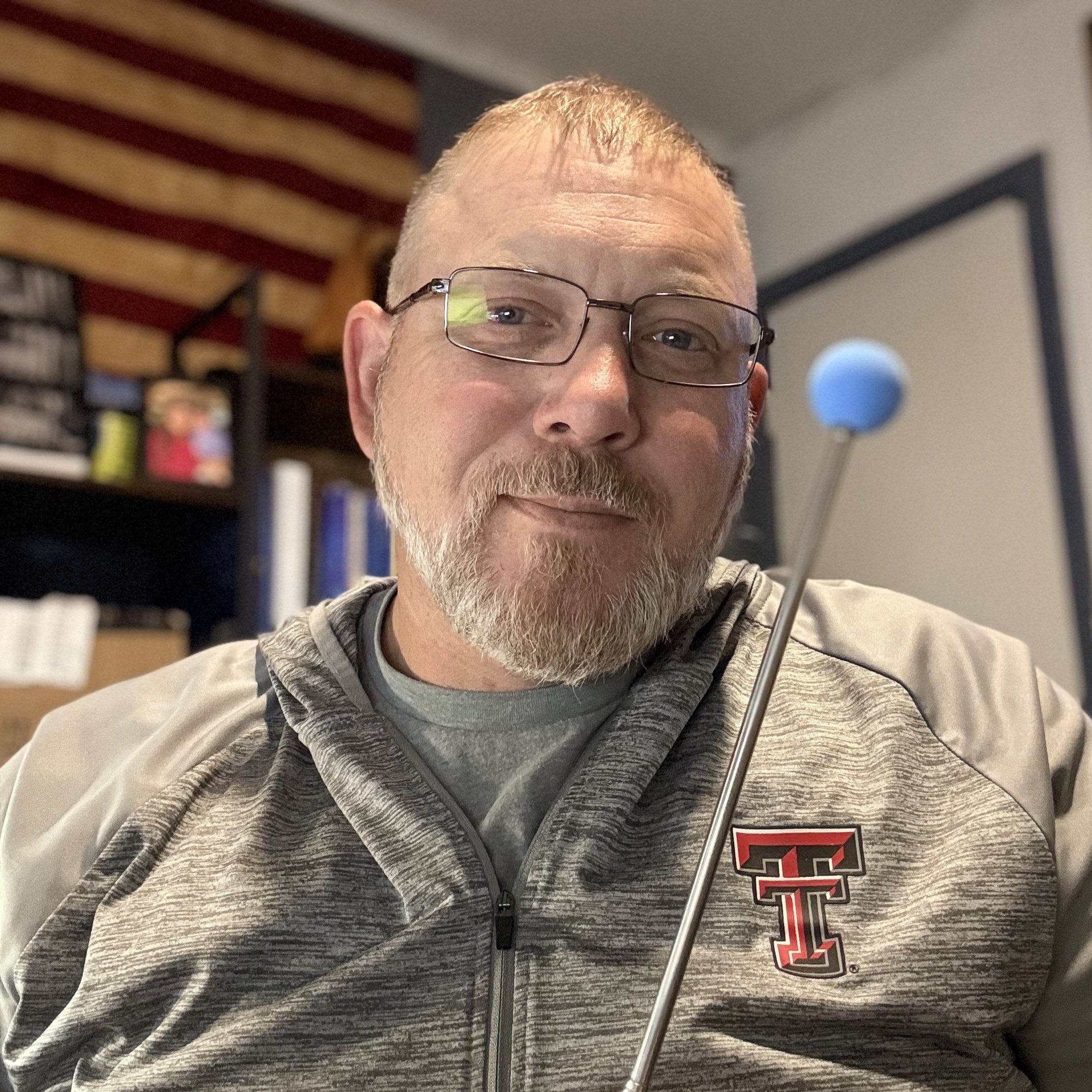
A session is quiet, focused, and client led:
1. Choose a target.
A memory, body sensation, trigger, fear, or simply “the heaviness I feel.”
2. Notice your body.
We track sensations like tightness, pressure, anxiety, or numbness.
3. Find your brainspot.
By moving your eyes across your visual field, we identify a point where your body reacts. That point opens the door to the trauma material your brain stored.
4. Process with support.
You hold your gaze on the spot while I stay attuned and grounded with you. Emotions, sensations, and insights emerge naturally—without forcing anything.
5. Your brain does the healing.
As your system processes the stuck material, activation usually decreases and relief increases.
How Brainspotting Supports Embrace The Suck
Embrace The Suck means we stop avoiding pain and face it directly—but safely, with tools and support. Brainspotting lets us do this without retraumatizing you or pushing you beyond what you can handle.
Instead of reliving the trauma, you learn to stay present with what comes up and move through it. You face the storm without being swallowed by it. That is where healing happens.
What Brainspotting Helps With
Brainspotting is effective for:
Combat and military trauma
Line of duty critical incidents
PTSD and complex trauma
Moral injury
Childhood trauma and attachment wounds
Medical and emergency room trauma
Anxiety, panic, and chronic worry
Grief, loss, and life transitions
Car wrecks and sudden accidents
Anger, emotional numbness, or shutdown
Performance anxiety or self doubt
It is especially helpful for people who feel stuck, shut down, or overwhelmed when trying to talk about what happened.
What To Expect From Me As Your Therapist
When we use Brainspotting, I will:
Keep the pace safe and steady
Stay fully attuned and supportive
Combine Brainspotting with ACT, CBT, and grounding skills
Help you build emotional regulation and resilience
Integrate meaning-making or faith if you choose
You will never be pushed to go deeper than your nervous system can handle. You set the pace. My job is to guide, support, and help your brain process what it has been carrying.
Brainspotting FAQ
Is Brainspotting a type of exposure therapy?
No. Brainspotting is a brain-body processing method, not traditional exposure therapy. You do not have to retell your trauma or relive the details. While we work with activation in the body, the mechanism is neurological processing—not exposure or desensitization.
Do I have to talk about what happened?
No. You can share as little or as much as you want. Many clients process deeply with very few words.
Will I cry or get emotional?
Possibly. Brainspotting often brings up emotion, but it’s always at a pace we control together. You will not be overwhelmed or left alone in it.
How long does it take to work?
Many clients notice shifts in 1 to 3 sessions. Deep trauma work takes longer, but Brainspotting often accelerates healing compared to talk therapy alone.
Can we do Brainspotting online?
Yes. Brainspotting is very effective through telehealth. Many clients prefer it from the comfort and safety of their own home.
Is Brainspotting good for veterans and first responders?
Absolutely. BSP works well for combat trauma, moral injury, critical incidents, and chronic stress. It bypasses the need to verbally relive painful details, which many of my clients appreciate.
Ready To Start Brainspotting
If you’re ready to work through trauma and move forward:
Ask about Brainspotting in your first session
The only way past trauma is through it.
Let’s go through the storm—together.